


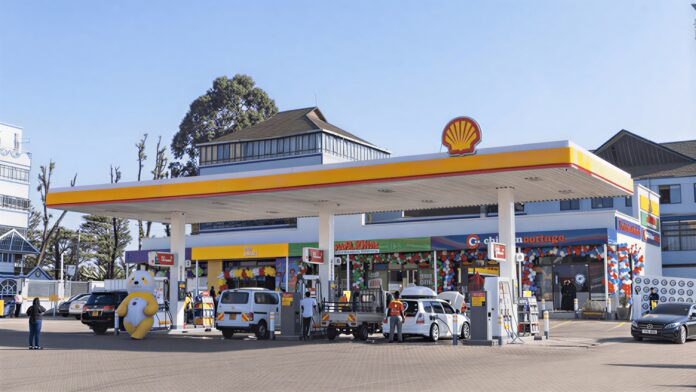
Kenya has raised fuel prices sharply, pushing both petrol and diesel to about $1.60 a litre and adding fresh strain to households and businesses. Petrol rose by 28 Kenyan shillings, or about $0.22 a litre. Diesel climbed by 40 Kenyan shillings, or about $0.31 a litre. The increase came even after the government cut VAT on fuel from 16% to 13%, a sign of how hard global oil prices are now hitting the local market.
When pump prices rise this fast, the effects move quickly through the economy. Transport operators pay more. Food distributors pay more. Manufacturers pay more. Those higher costs then reach ordinary households through fares, food prices and basic goods. What starts at the fuel station rarely stays there for long. This is an inference based on the central role of fuel in transport and supply chains.
The official explanation is clear enough. Kenya’s energy regulator says the new prices reflect rising global crude prices and higher shipping costs linked to turmoil in the Middle East. Reuters reported that the cost of imported petroleum products rose steeply, overwhelming the tax relief the government had introduced. But the increase is landing in an already tense environment.
Confidence in the fuel sector was already under pressure before the latest review. Kenyan media have reported growing anger over a disputed fuel consignment imported outside the usual state-backed arrangement. Questions around that shipment’s quality and price have deepened public suspicion, especially after reports suggested part of the stock may have entered the market through blending. Investigations into the matter have already touched senior energy officials. That controversy matters because it changes how the public reads the latest increase.
Even when international markets clearly drive price movements, consumers still ask whether weak oversight and poor sector governance have made a difficult situation worse. In moments like this, trust becomes part of the fuel economy too. Once that trust begins to crack, every price rise feels heavier and every official explanation becomes harder to accept.
Kenya is not facing this pressure alone. Other African governments have also used tax changes and temporary relief measures to cushion consumers from global energy shocks. But Kenya’s latest increase shows how exposed many economies remain when oil markets tighten. A conflict far from East Africa can still push up living costs in Nairobi, Mombasa and Kisumu within days.
Kenya’s fuel hike is not only about crude prices. It is about vulnerability. It shows how quickly global instability can enter domestic life, and how easily external pressure can collide with domestic controversy.
For now, the VAT cut has softened some of the blow. But it has not stopped the pain. If global oil prices stay high, Kenyans will continue to feel the pressure well before the next review. And when diesel and petrol rise this sharply, the burden does not remain with motorists alone. It spreads through the whole economy.