


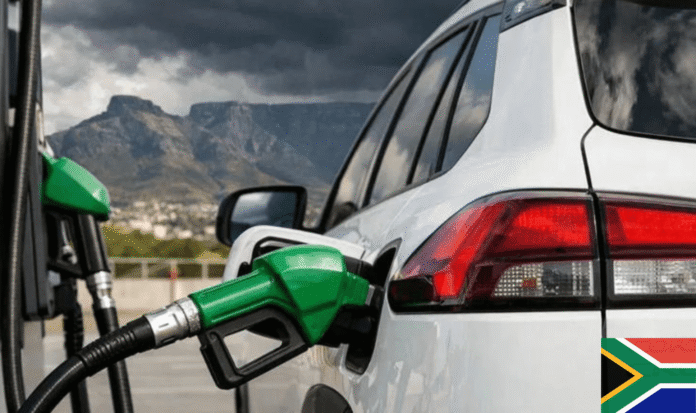
South Africa is facing one of its steepest fuel price hikes in years, starting 1 April 2026. The increase comes as the Iran-Israel conflict disrupts global energy markets and pushes up oil prices. A weaker rand has made imports even more expensive, forcing sharp price rises at home.
Official Fuel Price Adjustments (01 April 2026) The Central Energy Fund confirmed the following price adjustments, effective from 01 April 2026. Petrol 95 (inland) rose by 71 cents per litre, bringing it to R23.91. Petrol 93 (inland) increased by 68 cents, now sitting at R23.54 per litre. Diesel 0.05% (inland) climbed by 59 cents to R22.18 per litre, while Diesel 0.005% (inland) rose by 57 cents to R22.09. Illuminating paraffin, a fuel relied upon by millions of low-income households, increased by 52 cents to R17.43 per litre. Maximum LPG prices also rose by R1.12 per kilogram, to R29.87.
The price hikes show just how hard global supply shocks are hitting fuel-dependent countries like South Africa. The fuel price shock is set to push up costs across the economy, especially for logistics and transport. Moving goods and raw materials will cost more. Sectors like agriculture, freight, mining, and exports, all reliant on road transport, are likely to be hit first and hardest.
These higher costs are expected to be passed on to consumers, driving up prices for food, household goods, and basic services. For many, the cost-of-living crisis will deepen.
Small businesses and transport-heavy sectors are under pressure. Many face shrinking margins and may have to cut back or raise prices to survive. Economists warn that if fuel stays expensive, inflation could rise further, hitting interest rates, household budgets, and the wider economy.
President Cyril Ramaphosa has acknowledged the seriousness of the fuel hike and its impact on both citizens and businesses. He has indicated that the government is exploring measures to mitigate the impact, including possible adjustments to the fuel levy and targeted relief for vulnerable households and critical sectors of the economy.
The President has described the situation as a matter of national economic concern, urging ministers and stakeholders to work together to “soften the petrol price blow.” He emphasised that while the root causes stem from international geopolitical instability and oil market volatility beyond the country’s control, strong domestic policy responses and industry cooperation are essential to limit the damage to the economy.
The April 2026 fuel hike exposes how vulnerable South Africa is to global energy shocks and currency swings. With transport industries and consumers bearing the brunt, government action and market changes will shape how the country weathers this period. The crisis highlights the need for stronger energy planning and greater resilience.