


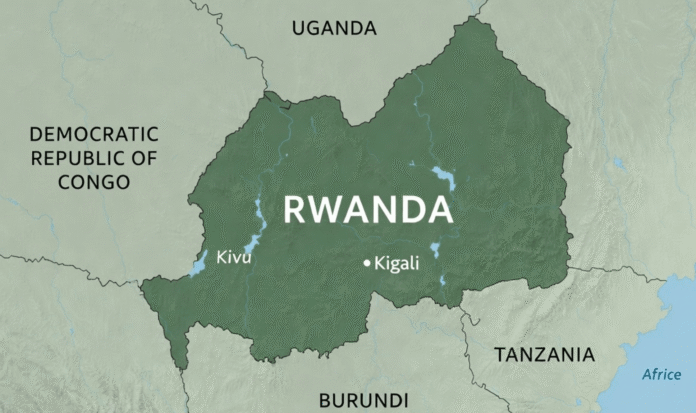
Rwanda visa-free African Union travel is now a reality. Effective immediately, citizens of all 55 African Union member states may enter Rwanda for up to 30 days without a visa, fee, or paperwork. The policy, introduced in late 2025 and continuing in 2026, positions Rwanda as a leading hub for regional mobility and economic integration.
This is a substantive measure that advances Africa’s vision of freer movement and addresses longstanding barriers to regional trade and travel. Traditional visa processes have burdened travellers with uncertainty, expense, and delays. Rwanda’s policy removes most of these obstacles, making it one of the continent’s most open countries for intra-African travel.
Rwanda’s visa liberalisation surpasses that of most neighbouring countries. While many African states offer visa-on-arrival or online visas, Rwanda now grants unrestricted entry to all AU citizens without prior application. This builds on earlier initiatives and demonstrates Kigali’s commitment to aligning national policy with the African Union’s long-term agenda for free movement.
For citizens of the East African Community (EAC), including Burundi, Kenya, Tanzania, Uganda, South Sudan, and the Democratic Republic of the Congo, the policy is even more generous. These nationals may stay for up to six months without a visa, supporting extended business, tourism, family visits, and cultural exchange.
Rwanda’s tourism industry has consistently outperformed expectations. Attractions such as Volcanoes National Park, Lake Kivu, and the Kigali Genocide Memorial attract visitors worldwide. Gorilla trekking permits alone generate over $18 million annually, a significant revenue source for the landlocked economy. Tourist arrivals exceeded 1.5 million in 2024, highlighting the sector’s resilience and Rwanda’s reputation for safety and conservation.
However, intra-African tourism has remained underdeveloped. Despite the continent’s rich cultural and natural assets, travel barriers have limited exploration. Rwanda’s policy addresses this gap, aiming to unlock growth through increased intra-continental travel, business, and cultural exchange.
By reducing border friction, Kigali is making tourism more inclusive and encouraging entrepreneurs, professionals, and investors to move freely, test markets, and engage in regional commerce. In a continent with a growing middle class and increasing mobility, ease of travel is a competitive advantage.
Rwanda’s visa-free policy supports a broader strategic goal: establishing Kigali as a regional travel and investment hub. The capital has become a center for international conferences, diplomacy, and business summits. The visa-free regime facilitates easier access for delegates, investors, and scholars.
At the continental level, this policy aligns with the African Union’s Protocol on Free Movement of Persons, a framework established in 2018 but slowly implemented. Rwanda is among a few countries, including Benin, The Gambia, and Seychelles, to fully adopt visa-free travel for Africans, enhancing its status as one of Africa’s most visa-open destinations.
The policy reflects broader calls by AU leaders to unlock the benefits of free movement. Ahead of the 38th AU Summit, officials urged governments to accelerate the removal of visa restrictions that hinder trade, tourism, and economic cooperation. Analysts note that mobility is as essential to regional integration as free trade agreements and shared infrastructure.
While Rwanda’s policy is transformative, it underscores the uneven mobility across the continent. Despite the AU’s vision and the African Passport initiative, many nations still impose restrictive visa regimes. Critics note that visa facilitation remains incomplete, with administrative and political challenges slowing progress.
Nevertheless, Rwanda’s approach sets a valuable example. By prioritising mobility, Kigali demonstrates that travel policy can drive economic growth, support business connections, and foster continental identity. For travellers, this means simpler journeys and a stronger connection to Africa’s natural and cultural heritage.
For policymakers across Africa, Rwanda’s visa-free model serves as a blueprint. If adopted more widely, it could lead to increased cross-border commerce, deeper regional cooperation, and a more integrated continent that values its people as both citizens and travellers.