
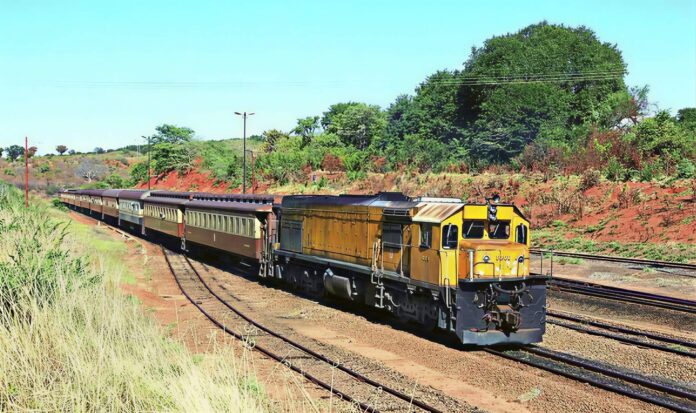
The National Railways of Zimbabwe has named Munyaradzi Stephen Charangwa chief executive officer, signalling a renewed push to restore rail as a key part of the country’s economic infrastructure.
The appointment, effective 1 April, shifts the rail operator from its general manager model to an executive-led structure. This shift signals more than an internal administrative change; it responds to pressure for stronger commercial discipline, sharper governance, and a clearer turnaround agenda.
For Zimbabwe, rail is central to the economy. A strong rail system cuts freight costs, aids mining and agriculture, relieves road congestion, and enhances regional trade. If rail underperforms, logistics costs rise, delivery times lengthen, exporters lose efficiency, and the economy relies more on expensive road freight, which wears down infrastructure.
In announcing the appointment, board chairperson Misheck Sibanda said Charangwa had been tasked with driving recapitalisation and mobilising resources to secure modern infrastructure, rolling stock and systems. He is also expected to review operations, eliminate inefficiencies, and improve reliability, safety, and customer service.
The rail operator needs more than new locomotives, wagons, and coaches. It also needs a management culture that transforms investment into performance. Without that, recapitalisation could become just another expensive exercise that fails to deliver lasting operational change.
NRZ’s problems are well known. The business has outdated assets and unreliable service. Its infrastructure no longer meets modern freight and passenger needs. Track repairs, signalling upgrades, new communication systems, and digital modernisation are all part of rebuilding the railway.
The company’s significance extends beyond its own balance sheet. Zimbabwe’s rail network links production zones, industrial sites, and important border routes. These connections matter to the wider southern African economy. A more efficient NRZ would support both domestic and global recovery. It would also strengthen trade flows across the region.
That regional importance was also underscored by the Mutapa Investment Fund, which has become a central part of the government’s effort to unlock value in state-owned enterprises. NRZ is among the public entities whose assets now sit within that broader reform framework, placing even more weight on performance, governance and commercial turnaround.
Charangwa steps into the role as expectations rise. The appointment of Ainah Dube-Kaguru as deputy chief executive officer also reinforces the new leadership model. This signals the company wants a stronger executive structure to match the scale of the turnaround it seeks.
The real test is not the appointment itself. The test is whether new leadership can turn reform rhetoric into a system that moves more freight, delivers shipments on time, improves customer satisfaction, and restores the railway’s role in driving the economy.
Zimbabwe doesn’t need rail as a symbol, but as working infrastructure.
This appointment matters because NRZ isn’t just changing leaders. It is working to restore confidence in a critical asset for national productivity, regional trade, and overall business costs.