


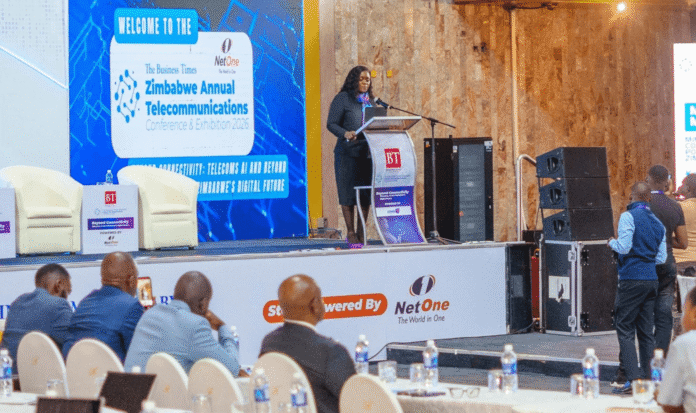
At a telecommunications conference in Harare, the government highlighted attractive investment opportunities. It intends to drive the next phase of growth through artificial intelligence, digital infrastructure, stronger technology skills, and broader connectivity. This message was crafted to engage both potential investors and the local telecoms sector.
Minister Tatenda Mavetera said Zimbabwe has entered a decisive stage in its digital transition after the launch of the Zimbabwe National Artificial Intelligence Strategy 2026–2030. President Emmerson Mnangagwa unveiled it in March. The strategy sets out a national plan to build AI capacity, expand infrastructure, strengthen governance, and encourage innovation.
This shift reflects Zimbabwe’s effort to position digital transformation as a national development priority, rather than a narrow telecoms issue.
The government’s approach is based on the idea that digital ambition needs more than policy statements. It also needs fibre networks, data centres, cloud infrastructure, 4G and 5G readiness, robust institutions, and a skilled workforce. These priorities are in both the AI strategy and current investment signals.
The conference theme, “Beyond Connectivity: Telecoms, AI and Zimbabwe’s Digital Future,” highlighted this shift. Zimbabwe is moving beyond internet access. Now it addresses what the country can build, operate, and scale once connectivity is in place.
The government invites investment in fibre backbone projects, data storage, cloud systems, next-generation networks, and AI-based digital platforms. Through incentives and a focus on rural connectivity, Zimbabwe aims to build a scalable digital economy that serves both urban and rural investors.
The AI strategy rests on six pillars: skills and talent, infrastructure, public-sector use, ethics and governance, research and innovation, and international cooperation. These pillars show Zimbabwe’s aim to build a digital ecosystem instead of isolated projects.
The government has linked the strategy to key sectors needing better solutions. These include agriculture, health, education, and public services. AI is expected to improve efficiency, reach, and service delivery. The United Nations in Zimbabwe and UNESCO call the strategy part of a wider push for inclusive growth and modernisation. The digital drive is about both technology and people.
Initiatives such as the Digital Skills Ambassadors Programme, the 1.5 Million Coders Initiative, and the Cyberus Cybersecurity Training Programme create a strategic opportunity: significantly broadening digital participation and preparing a new generation of Zimbabwean talent for technology-driven careers.
The government is also focusing on regulatory improvements. These include clearer regulations, better spectrum management, infrastructure sharing, and stronger public-private partnerships. A child online protection policy is pending, along with proposals to reduce online risks for minors.
The combination of digital infrastructure, skills, and regulatory clarity is central to attracting sustainable investment. While many countries announce strategies, Zimbabwe focuses on building reliable systems, making the market more attractive to investors seeking stability and growth.
The opportunity is clear. Across Africa, governments are defining digital competitiveness in the age of AI. Zimbabwe says future growth requires more than internet access. It also depends on computing power, trusted institutions, advanced skills, and effective rules. These rules must support innovation while maintaining order. Building the infrastructure and regulation will make the difference.
Zimbabwe has outlined its direction for investors: attract digital investment, expand capabilities, and leverage AI and telecommunications for economic growth. Success depends on execution, offering investors a direct stake in Zimbabwe’s story.