


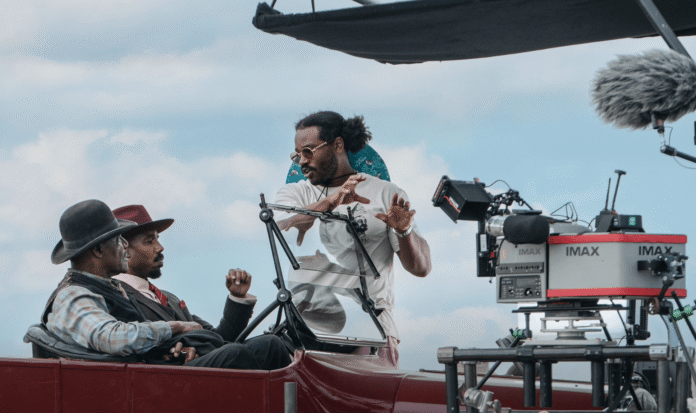
Before he was one of Hollywood’s most influential directors, Ryan Coogler was a young athlete chasing a different dream. Growing up in Oakland, California, Coogler first pursued a career in football. His father believed discipline and structure would steer him clear of distractions. Football provided a scholarship and direction. For a time, the field was his future.
Elite sport is unforgiving. The professional ranks demand extraordinary excellence. Coogler later admitted he was not good enough to go pro. A dream, once certain, began to shift.
That shift arrived not on the pitch, but in a classroom. As a freshman, Coogler took a required creative writing course. One assignment asked students to write from personal experience. He described a traumatic childhood moment when his father nearly died. The paper caught his professor’s attention, and she called him in to ask about his future. He did not have an answer. Her response was simple but seismic: he should write films.
That suggestion would become the hinge on which his life turned. Coogler has since described the moment as awakening something dormant. Football had taught him discipline. Writing offered him a voice. He soon transferred to the University of Southern California’s film school, carrying with him the mindset of an athlete entering a new arena.
Film school rewards talent but punishes complacency. Coogler approached it with the training he had. He stayed in editing suites after others left, refining his work. Classmates recall his relentlessness. Habits from the football field translated to the cinema. Preparation, repetition, and resilience became keys to creative mastery.
His short films gained attention, ultimately drawing actor and producer Forest Whitaker. That connection proved decisive. In 2013, Coogler directed Fruitvale Station, about the final hours of Oscar Grant, an unarmed Black man shot by Oakland transit police.
Made for under $1 million, the film exceeded expectations. It grossed $17 million worldwide and earned critical acclaim at Sundance and Cannes. More importantly, it introduced a filmmaker unafraid to confront uncomfortable truths. That project also marked the beginning of his creative partnership with Michael B. Jordan, the film’s lead actor.
In 2015, Coogler directed Creed, reviving the Rocky franchise by shifting the emotional focus to a new generation. The film balanced respect for legacy with fresh storytelling, a mix that became Coogler’s signature.
In 2018, Coogler directed Black Panther for Marvel Studios. With a reported budget of $200 million, the film became a cultural phenomenon, earning over $1.3 billion worldwide. It was the first superhero film nominated for Best Picture at the Academy Awards and marked a watershed for representation in mainstream cinema.
Yet Coogler’s path was not predictable. After blockbuster success, he pivoted again. His 2026 film Sinners, an original horror set in the 1930s, was a major risk. Unlike franchise security, it relied fully on his creativity.
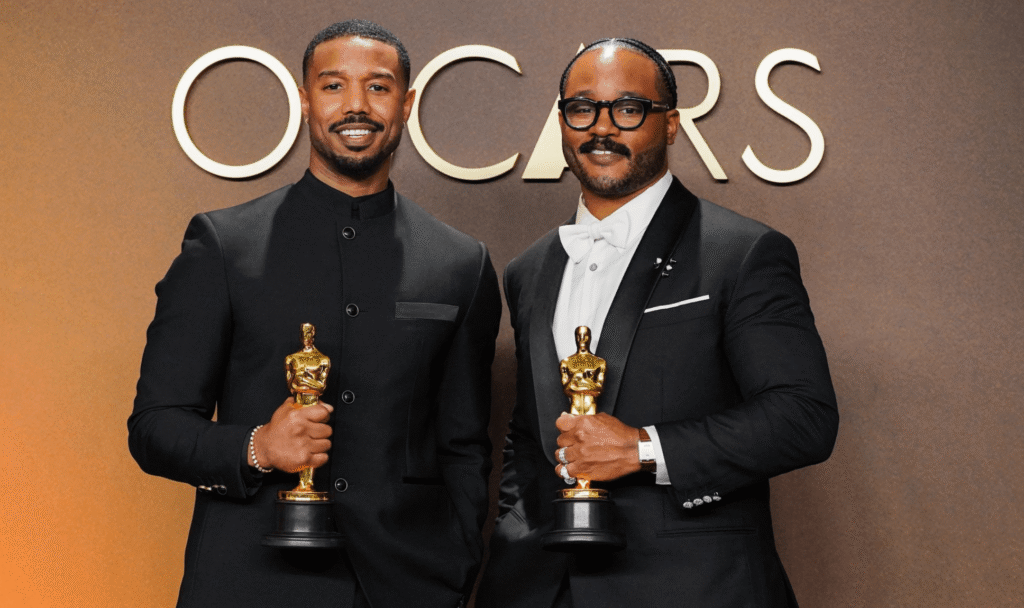
Observers say this move reflects more than ambition. Coogler reportedly negotiated creative control and financial participation, showing the strategic sense of elite athletes managing their careers. The film received 16 Academy Award nominations, with Coogler winning Best Original Screenplay and Jordan winning Best Actor.
Throughout this journey, the through line has remained constant. Coogler did not discard the discipline forged on the football field. He repurposed it. The principles of teamwork, preparation and incremental improvement have shaped every phase of his career.
There is a temptation to call his rise meteoric. But it is better described as cumulative. Each project was built on the last. Each success expanded his creative territory. The scholarship athlete once measured progress in touchdowns. Now, he measures it in stories that move audiences.
Ryan Coogler’s career offers a reminder that reinvention does not require abandoning one’s past. Sometimes, the skills honed in one arena become the foundation for excellence in another. The athlete became a creator, but he never stopped thinking like a competitor. And in doing so, he built something far more enduring than a single victory.