


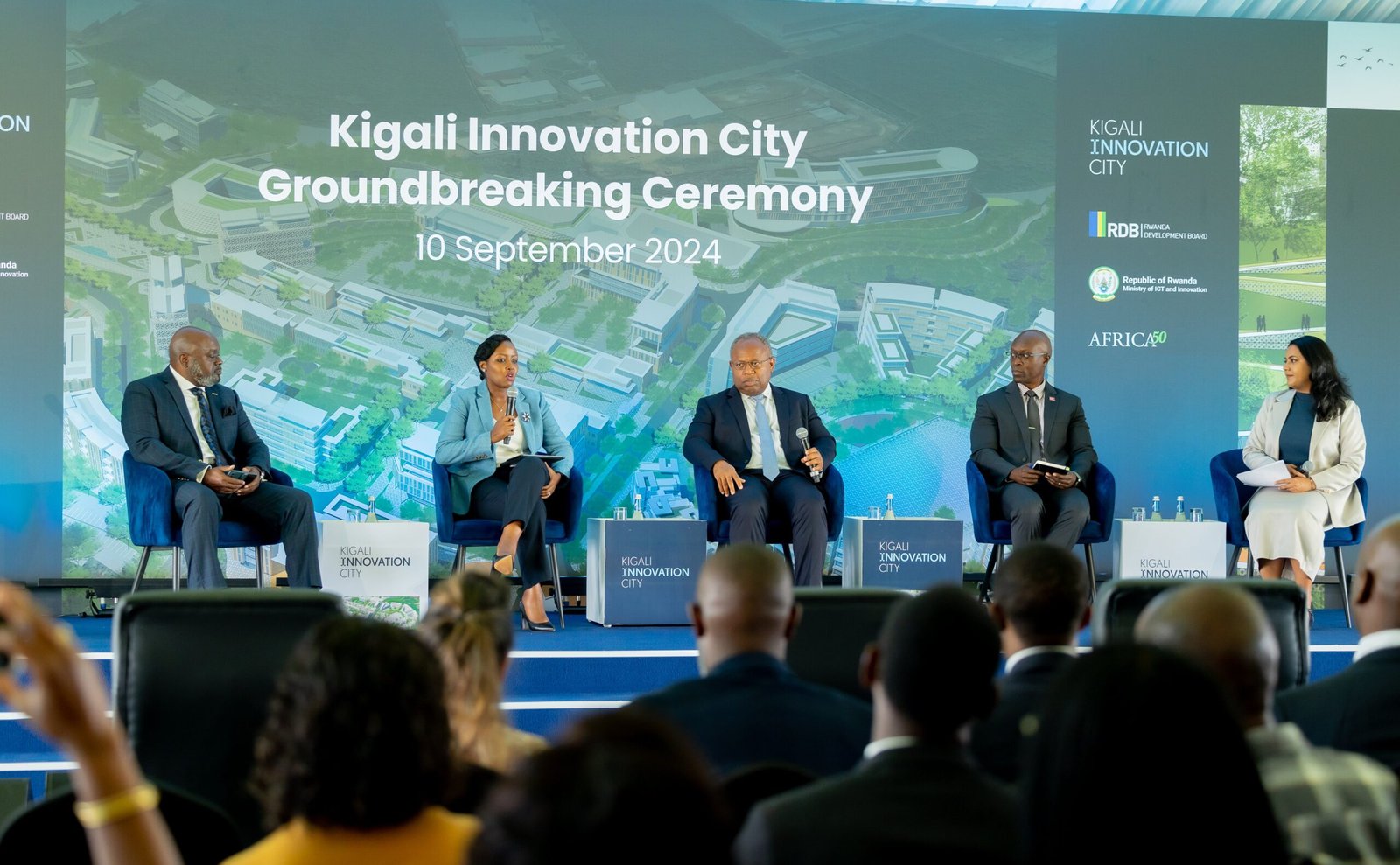
Kigali Innovation City has officially moved from vision to reality, marking one of Africa’s most ambitious attempts to build a continent-wide technology and innovation hub.
Rwanda’s Prime Minister, Dr Edouard Ngirente, on Tuesday broke ground on the $300 million Kigali Innovation City (KIC) project, a development designed to position Rwanda at the centre of Africa’s fast-growing digital economy.
The project reflects a wider surge in innovation across Africa, with countries such as Kenya, Ghana, Nigeria, South Africa and Rwanda increasingly using technology to drive growth, exports and job creation.
Kigali Innovation City aims to create 50,000 jobs
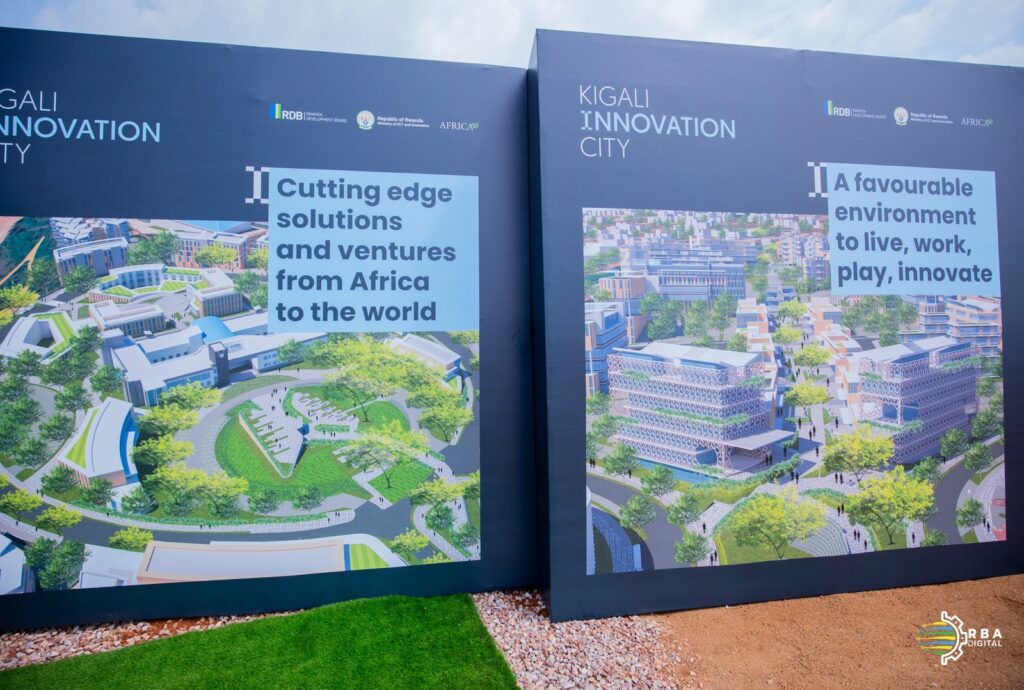
Located within the Kigali Special Economic Zone, Kigali Innovation City will span 60 hectares and be a mixed-use, master-planned development. Once fully operational, it is expected to create more than 50,000 jobs and generate $150 million in ICT and innovation exports annually.
The city will bring together four universities, research institutions, start-up incubators, office space, and facilities for retail, hospitality and residential living. The idea is to create an integrated environment where education, research, business and innovation operate side by side.
Speaking at the ground-breaking ceremony, Prime Minister Ngirente said Kigali Innovation City was not simply a real estate project.
“This is an ecosystem designed to stimulate innovation, attract talent and draw global investment,” he said, describing KIC as central to Rwanda’s long-term development strategy.
Rwanda has steadily built a reputation as a technology-friendly destination, supported by policy reforms, digital infrastructure investment and a focus on skills development.
Francis Gatare, Chief Executive of the Rwanda Development Board (RDB), said Kigali Innovation City would significantly strengthen the country’s global technology profile.
“At its peak, Kigali Innovation City will generate over 50,000 jobs and contribute more than $150 million in technology and innovation exports,” he said. “This positions Rwanda as a meaningful player in the global technology market.”
The project is expected to attract pan-African talent, as well as international companies seeking an African base for research, development and digital services.
The project is being co-sponsored by Africa50, the infrastructure investment platform backed by African governments and the African Development Bank, alongside the Rwanda Development Board.
Africa50 will structure Kigali Innovation City as a public-private partnership (PPP) and is currently seeking a strategic sponsor. The Rwandan government will provide shared infrastructure and incentives, while additional private investors are expected to join at later stages.
Prime Minister Ngirente acknowledged the role of Africa50 and the Arab Bank for Economic Development in Africa (BADEA) in supporting key components of the project.
DONT MISS THIS: Rwanda Biomedical Engineering and e-Health Project Gets $29.85m AfDB Boost
“This moment represents a major milestone in Rwanda’s journey towards a technology-driven and innovation-led economy,” he said.
Kigali Innovation City comes at a time when African governments are increasingly focused on digital transformation, technology exports and knowledge-based industries.
Across the continent, fintech, artificial intelligence, digital health and software services are growing rapidly, driven by a young population, rising connectivity and expanding regional markets.
By anchoring universities, startups and global firms in a single innovation district, Rwanda is betting that Kigali Innovation City can help turn these trends into sustained economic value.
As construction begins, the project is being closely watched as a test case for whether African-led innovation hubs can compete globally, not just as consumers of technology, but as producers and exporters of it.


 for their roles in funding key components of the project.)