


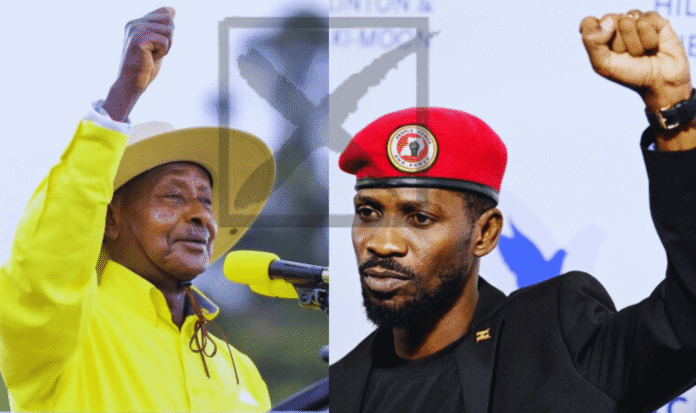
Uganda votes for their leader in the highly contested election, as Museveni faces Bobi Wine in the polls next week in an election that many see as a choice between continuity and change.
Voting is set for Thursday, 15 January. Polling stations will open at 7am and close at 4pm, and anyone still in the queue at closing time will be allowed to vote. More than 21 million people are registered to take part.
President Yoweri Museveni, now 81, is seeking another term in office. He has ruled Uganda since 1986 and is aiming for a seventh election victory, which would extend his time in power to nearly 40 years. Museveni says his leadership has brought stability and progress, and that he remains the best person to guide the country forward, but that remains to be seen as Uganda votes in a few days.
Challenging him is Bobi Wine, a 43-year-old former pop star whose real name is Robert Kyagulanyi. Bobi Wine leads the National Unity Platform and has built strong support among young people, especially in towns and cities. He is campaigning on promises of change, better governance and more opportunities for ordinary Ugandans.
This is the second time Museveni and Bobi Wine have faced each other in a presidential election. In 2021, Museveni was declared the winner with 58% of the vote, while Bobi Wine came second with 35%. That election was followed by allegations of rigging and a heavy crackdown on the opposition, claims the government rejected.
Uganda votes for their leader in the highly contested election, yet
The current campaign period has been tense again. Opposition rallies have been disrupted, activists arrested, and police deployed heavily. Human rights groups say opposition supporters have faced harassment, while Uganda votes, the government says security measures are needed to keep the peace.
Economic issues are a major concern for voters. Uganda has a very young population, with most people under the age of 30, and many struggle to find work. Although incomes have risen slowly since the pandemic, unemployment remains high and public services such as healthcare, education and infrastructure are uneven. Corruption is also a key issue, with many Ugandans saying it affects everyday life.
There are questions about how free and fair the vote will be. Election officials insist the process will be transparent, but international observers and rights groups have warned of a climate of fear. Bobi Wine has encouraged voters to remain alert and protect their votes, while authorities have urged people to vote calmly and leave polling stations peacefully.
Ugandans will also be voting for members of parliament, including constituency MPs and women representatives from each district. Eight candidates are contesting the presidency, but the race is widely seen as being between Museveni and Bobi Wine.
By law, the electoral commission must announce the presidential results within 48 hours after voting ends. A candidate must win more than half of the votes to avoid a run-off. So far, Museveni has always cleared that threshold in previous elections.
As the country prepares to vote, many Ugandans are watching closely, carrying with them a quiet but resilient hope that this election will truly reflect their voices and aspirations. For millions, the ballot represents more than a political ritual; it is a chance to be seen, to be heard, and to influence the direction of a nation they deeply care about.
Amid economic pressures, generational divides, and a long history of contested political moments, there is a shared longing for a process that is peaceful, credible, and inclusive. Across cities and rural communities alike, citizens are hoping not only for an outcome that respects the will of the people but for an election conducted in a spirit of calm, dignity, and respect for human life.